

This post may contain affiliate links. Please read my disclosure policy.
What is Oyakodon?
Oyakodon (親子丼) is a classic Japanese chicken and egg rice bowl. Its name literally means “parent-and-child rice bowl,” referring to the chicken (parent) and egg (child).
Bite-size pieces of chicken and tender onions are simmered in a sweet-savory sauce made with dashi, soy sauce, and mirin. Softly cooked eggs bring everything together before it’s served over a bowl of steamed rice.
Why You’ll Love This Recipe
- Quick and easy. Ready in under 30 minutes using just one pan. Perfect for busy weeknights with minimal cleanup!
- Simple, pantry-friendly ingredients. Made with everyday staples like chicken, eggs, and onions, plus a few Japanese seasonings.
- No oil needed. The chicken and onions simmer directly in the flavorful dashi-based sauce.
- The ultimate comfort food. Tender chicken and soft-cooked eggs over fluffy rice, soaked in a sweet-savory sauce. A satisfying meal in one bowl!
My Recipe Story
I first learned to make oyakodon in my middle school home economics class in Japan. It’s still one of my favorite comfort foods today! It’s also a great recipe for teenagers to learn before heading off to college. With just a few ingredients and one pan, they can make a satisfying meal on their own.
In Japan, oyakodon is a popular choice for a quick lunch. You’ll find it at casual restaurants and noodle shops, where office workers stop for a fast, comforting meal. Unlike typical American fast food, Japanese quick meals often include noodles and donburi (rice bowls) made fresh to order.
Unlike typical American fast food, Japanese quick meals often include noodles and donburi (rice bowls) made fresh to order.
If you enjoy Japanese rice bowl recipes, try my Gyudon, Katsudon, and Tanin Don (Beef and Egg Rice Bowl).

Key Ingredients for Oyakodon
- Chicken thighs – I recommend boneless, skinless thighs for their juicy, tender texture. Chicken breasts work, but they can dry out more easily.
- Sake – Helps reduce the chicken’s gamey odor and adds a subtle depth of flavor.
- Onion – Becomes tender and naturally sweet as it simmers, balancing the savory sauce.
- Eggs – Bind the chicken and onions together, creating oyakodon’s signature soft, fluffy texture. Use 1½–2 eggs per serving.
- Seasonings – Dashi (Japanese soup stock), soy sauce, mirin, and sugar create the classic sweet-savory sauce. Dashi provides the essential umami flavor.
- Steamed Rice – Use freshly cooked Japanese short-grain rice. Its slightly sticky texture absorbs the savory sauce.
- Garnish – Thinly sliced green onion or mitsuba, a Japanese herb with a refreshing, slightly bitter flavor.
- Optional seasonings – Add shichimi togarashi for a spicy kick or sansho pepper for a citrusy, peppery finish.
How to Make the Best Oyakodon
- Prepare the ingredients. Mix the dashi, soy sauce, mirin, and sugar. Slice the onion and mitsuba (or green onion). Cut the chicken thighs into bite-size pieces using the sogigiri technique and marinate briefly in sake. Gently break up the eggs with chopsticks without fully beating them.
- Simmer the onions and chicken. Arrange the onions in a frying pan and add the seasoning mixture. Bring to a simmer, then add the chicken. Cook uncovered over medium-low heat for about 5 minutes, flipping the chicken halfway through, until the chicken is cooked through and the onions are tender.
- Add the first portion of eggs. Increase the heat to medium. Once the sauce is simmering, drizzle two-thirds of the eggs (mostly whites) over the chicken and onions, avoiding the edges of the pan. Let the eggs begin to set.
- Add the remaining eggs. Pour the remaining one-third (mostly yolks) over the pan. Sprinkle with mitsuba or green onions and cook until the eggs reach your preferred doneness.
- Serve over steamed rice. Spoon the chicken and egg mixture over individual bowls of hot Japanese short-grain rice. Drizzle with the desired amount of sauce and serve immediately.


Nami’s Recipe Tips
- Use the Japanese cutting technique Sogigiri – This diagonal cut creates evenly thick pieces with more surface area for faster cooking and better flavor absorption. I recommend ¾-inch (2-cm) pieces so the chicken blends nicely with the onions and eggs.
- Use room-temperature eggs – They cook faster and more evenly. For food safety, cook eggs until fully set, or use pasteurized eggs if you prefer a runny texture.
- Use 1½–2 eggs per serving – The eggs hold the chicken and onions together, making it easier to transfer the oyakodon onto the rice. Use at least 3 eggs for two servings.
- Cook only 2 servings per pan – An 11-inch (28-cm) frying pan works best for two servings. Overcrowding prevents the sauce from reducing and can make the dish watery. For four servings, use two pans, cook in batches, or use a 3.5-QT braiser (16 inches / 40 cm).
- “Cut” the egg whites instead of beating them – Use chopsticks to lift and break the whites 5–6 times. Gently break the yolks without mixing them into the whites. The eggs should look marbled, giving the finished oyakodon distinct white and yellow colors.


- Cook uncovered – After testing both methods, I found that cooking without a lid allows excess moisture to evaporate, concentrating the sauce without overcooking the chicken. Cover briefly if you prefer fully cooked eggs.
- Add the eggs in two stages – Since whites take longer to cook, pour two-thirds (mostly whites) into the center of the simmering pan, avoiding the hotter edges. Once they begin to set, add the remaining one-third (mostly yolks) evenly over the pan.
- Keep the sauce gently simmering. Add the eggs only when small bubbles appear around the edges. If the heat is too high, the eggs can overcook before they set evenly.
Storage Tips
To refrigerate: Store leftover oyakodon in an airtight container for up to 2–3 days. Keep the rice separate for the best texture.
To freeze: For the best results, freeze the cooked chicken, onions, and sauce without the eggs for up to 1 month. I don’t recommend freezing finished oyakodon. Cooked eggs can become rubbery and watery after thawing, losing their delicate texture.
To reheat: Warm the chicken mixture in a pan until steaming hot, then add the eggs. Reheat refrigerated leftovers thoroughly before serving.
How to Make Dashi (Japanese Soup Stock)


The secret to authentic oyakodon is dashi (Japanese soup stock). It gives the sweet-savory sauce its signature umami flavor and is an essential ingredient in Japanese cooking.
You have three options:
- Homemade dashi – My favorite for its fresh, delicate flavor. It takes about 30 minutes to make.
- Dashi packets – A convenient shortcut that I prefer over instant dashi powder.
- Vegan Dashi – Made with kombu and dried shiitake mushrooms for a plant-based alternative.
For more details, see my Ultimate Dashi Guide.
Pro Tip: When making oyakodon for two, prepare about 4 cups of dashi. Use ½ cup for the oyakodon and the remaining 3½ cups for Homemade Miso Soup. Together, they make a comforting Japanese meal!
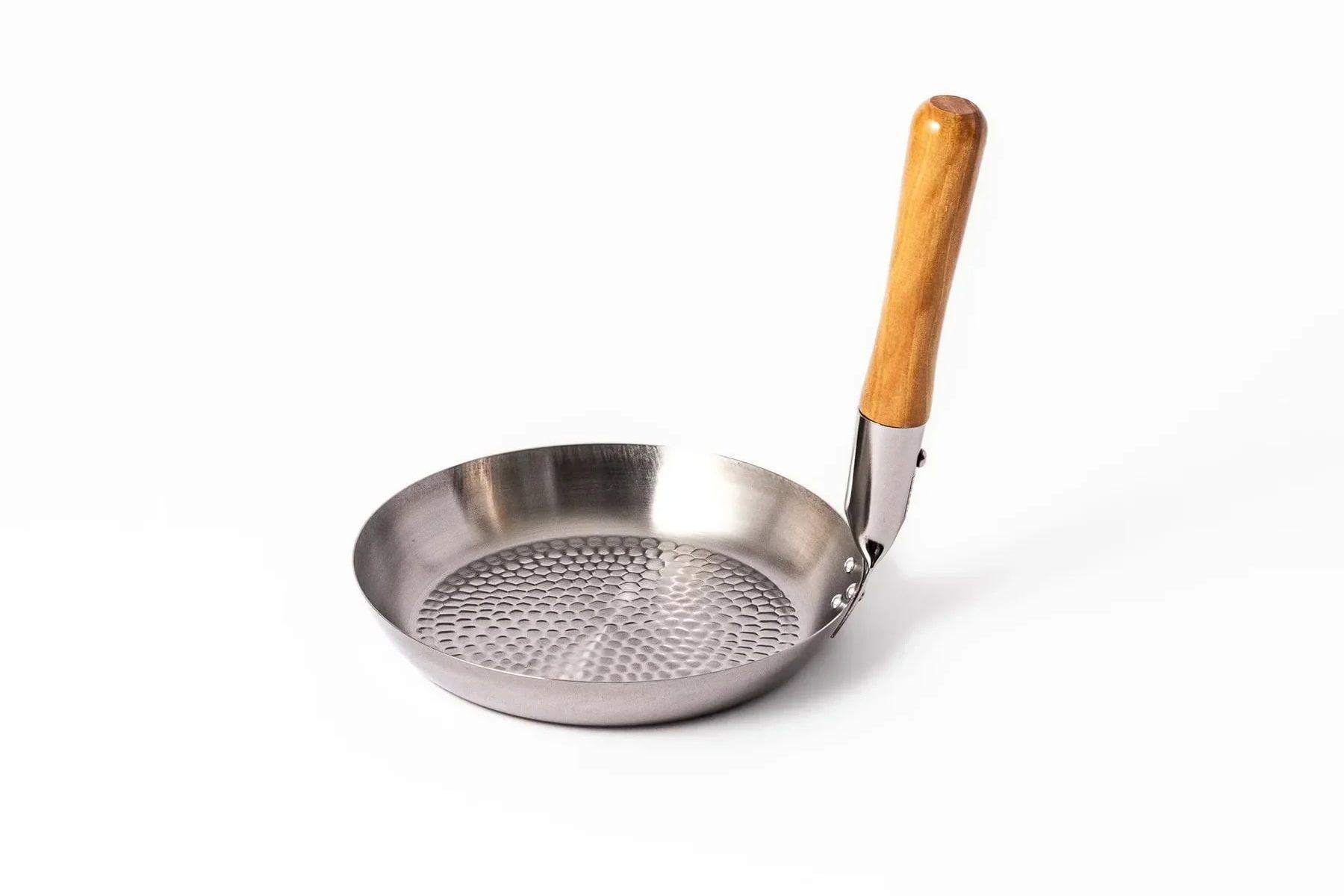
Why Use an Oyakodon Pan?
In Japan, oyakodon is traditionally cooked one serving at a time in a special oyakodon pan. Its shallow shape makes it easy to slide the chicken, soft-cooked eggs, and sauce directly onto a bowl of steamed rice without breaking the delicate layers.

The difference is especially noticeable in the presentation:
- Oyakodon made in an oyakodon pan (left): The chicken and eggs slide onto the rice in one beautiful, intact layer.
- Oyakodon made in a medium frying pan (right): You’ll need to scoop out the ingredients, which can break up the delicate egg layers.
Don’t have an oyakodon pan? A small, shallow frying pan with sloped sides works, too. Ideally, choose one with a diameter equal to or smaller than your serving bowl so you can slide the oyakodon onto the rice easily.
FAQ
Can I make oyakodon without dashi?
Dashi gives oyakodon its signature Japanese umami flavor, so I highly recommend using it. If you don’t have homemade dashi, try a dashi packet for convenience. Chicken broth can work in a pinch, but the flavor will be different.
Can I make oyakodon ahead of time?
Oyakodon tastes best freshly made, especially the soft-cooked eggs. You can prepare the sauce, slice the onions, and cut the chicken ahead of time. Keep everything refrigerated separately, then cook just before serving.
Can I make oyakodon without mirin or sake?
Yes, but I highly recommend using both for authentic Japanese flavor. Sake helps reduce the chicken’s gamey odor and adds depth, while mirin provides gentle sweetness, umami, and a subtle glaze. You can omit sake or replace it with water, and substitute sugar for mirin. However, the sauce will lack the same depth and balance of flavor.
I’d love to hear how yours turned out! 💛 Please leave a star rating and comment below to share your experience. Your feedback not only supports Just One Cookbook but also helps other home cooks discover recipes they can trust.
Oyakodon (Chicken and Egg Rice Bowl)

Ingredients
For the Seasonings
- ½ cup dashi (Japanese soup stock) (use Homemade Dashi, dashi packet or powder, or Vegan Dashi)
- 2 Tbsp soy sauce
- 2 Tbsp mirin
- 2 tsp sugar
For Serving
- 2 servings cooked Japanese short-grain rice (⅔ cups or 250 g per serving)
- 4 sprigs mitsuba (Japanese parsley) (or green onions)
- shichimi togarashi (Japanese seven spice) (optional)
- Japanese sansho pepper (optional)
Instructions
Before You Start
- For 2 servings, you'll need about 3⅓ cups (500 g) of cooked Japanese short-grain rice. Start with 2 rice cooker cups or 1½ US cups (300 g) uncooked rice, which yields about 4⅓ cups (660 g).Learn how to cook rice in a rice cooker, pot over the stove, Instant Pot, or donabe.

- Gather all the ingredients. This recipe includes two cooking methods: a medium frying pan (2 servings) or an oyakodon pan (1 serving at a time). Don't cook more than 2 servings in a medium frying pan. For 4 servings, use two pans or cook in batches.

To Prepare the Seasonings
- Combine ½ cup dashi (Japanese soup stock), 2 Tbsp soy sauce, 2 Tbsp mirin, and 2 tsp sugar in a bowl or a liquid measuring cup. Stir until the sugar dissolves.

To Prepare the Ingredients
- Cut ½ yellow onion lengthwise into ¼ inch (6 mm) slices.

- Chop 4 sprigs mitsuba (Japanese parsley) into ½-inch (1.3 cm) pieces.

- Trim excess fat and connective tissue from 10 oz boneless, skinless chicken thighs.

- Cut the chicken along the grain into strips ¾–1 inch (2–2.5 cm) strips. Angle your knife and slice diagonally against the grain into bite-size pieces, about ¾–1 inch (2–2.5 cm) square. Nami's Tip: This sogigiri cutting technique creates evenly thick pieces with more surface area for faster cooking and better flavor absorption.

- Transfer the chicken to a bowl or prep tray and drizzle with 1 Tbsp sake. Set aside for 5 minutes.

- Crack 3-4 large eggs (50 g each w/o shell) into a bowl. Use chopsticks to lift and "cut" the egg whites 5–6 times into smaller clumps. Do not beat the eggs.

- Gently break the yolks if needed, keeping the whites and yolks separate for a marbled appearance.

To Cook in a Medium Frying Pan (2 Servings)
- With the heat off, arrange the sliced onions in a single layer in a medium frying pan (I use an 11-inch carbon steel pan). Add the seasoning mixture, which should just cover the onions. If it doesn't, use a smaller pan.

- Turn the heat to medium and bring the sauce to a simmer. Add the chicken over the onions.

- Spread the chicken evenly. Once simmering again, reduce to medium-low and cook uncovered for about 5 minutes, flipping halfway through, until the chicken is cooked through and the onions are tender.Nami's Tip: Cooking uncovered allows excess moisture to evaporate, concentrating the sauce.

- Increase the heat to medium. Once the sauce is gently simmering, drizzle two-thirds of the eggs (mostly whites) in a circular pattern over the chicken and onions, avoiding the hotter edges.Nami's Tip: Add the eggs only when the sauce is simmering. The whites take longer to cook, so add more of them first.

- Adjust the heat if needed. If the eggs spread toward the edges, gently move them toward the center. Cover briefly if the whites need more time to set.

- When the first eggs begin to set, add the remaining one-third (mostly yolks) over the pan. Sprinkle with mitsuba or green onions and cook over medium-low heat until the eggs reach your preferred doneness.

- Divide 2 servings cooked Japanese short-grain rice between two donburi bowls. Spoon the chicken and eggs over the rice and drizzle with the desired amount of sauce.

To Cook in an Oyakodon Pan or a Small Frying Pan (1 Serving at a Time)
- This recipe makes 2 servings, so divide the ingredients in half. If you've scaled the recipe, use the amounts for 1 serving.With the heat off, arrange half the onions in a single layer in an oyakodon pan. Add half the seasoning mixture, just enough to cover the onions.

- Bring to a simmer over medium heat, then add half the chicken.

- Once simmering again, reduce to medium-low. Cook uncovered for about 4 minutes, flipping the chicken halfway through, until cooked through and the onions are tender.Nami's Tip: Cooking uncovered allows excess moisture to evaporate, concentrating the sauce.

- Increase to medium heat. Once the sauce is gently simmering, drizzle two-thirds of the eggs (mostly whites) over the chicken, avoiding the edges.Nami's Tip: Add the eggs only when the sauce is simmering. The whites take longer to cook, so add more of them first.

- When the first eggs begin to set, add the remaining one-third (mostly yolks). Sprinkle with mitsuba or green onions and cook over medium-low heat until the eggs reach your preferred doneness.

- Divide 2 servings cooked Japanese short-grain rice into individual donburi or other serving bowls. Slide the chicken and egg mixture directly onto a bowl of steamed rice. Drizzle with sauce and repeat with the remaining ingredients for the second serving.

To Serve
- Serve immediately with optional shichimi togarashi (Japanese seven spice) for a spicy kick and Japanese sansho pepper for a citrusy, peppery finish.
To Store
- Store leftovers in an airtight container in the refrigerator for up to 2–3 days. For the best results, freeze the cooked chicken, onions, and sauce without the eggs for up to 1 month. Add freshly cooked eggs when reheating. To reheat, warm the chicken mixture in a pan until steaming hot, then add the eggs. Reheat refrigerated leftovers thoroughly before serving.
Nutrition
The nutrition facts shown are generated by an online calculator and are estimates only. Please consult a professional nutritionist for specific dietary needs.
Did you make this recipe?
Tag @justonecookbook on Instagram so we can see your delicious creation!
Editor’s Note: The post was originally published on February 4, 2011. It has been republished with new images, updated content, and a revised recipe on October 30, 2022. A new video was added to the post on November 22, 2024.

