

This post may contain affiliate links. Please read my disclosure policy.
Unadon at a Glance
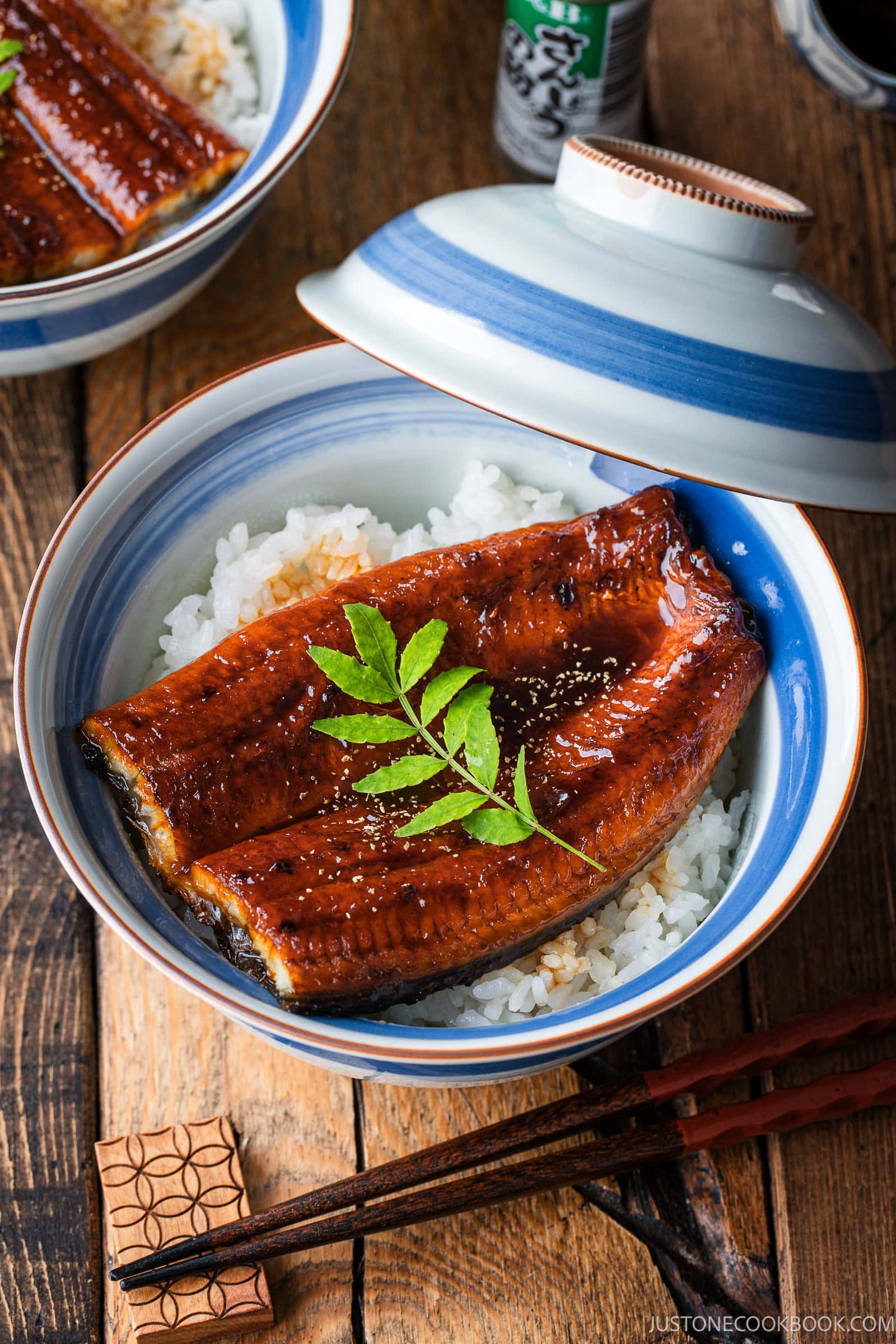
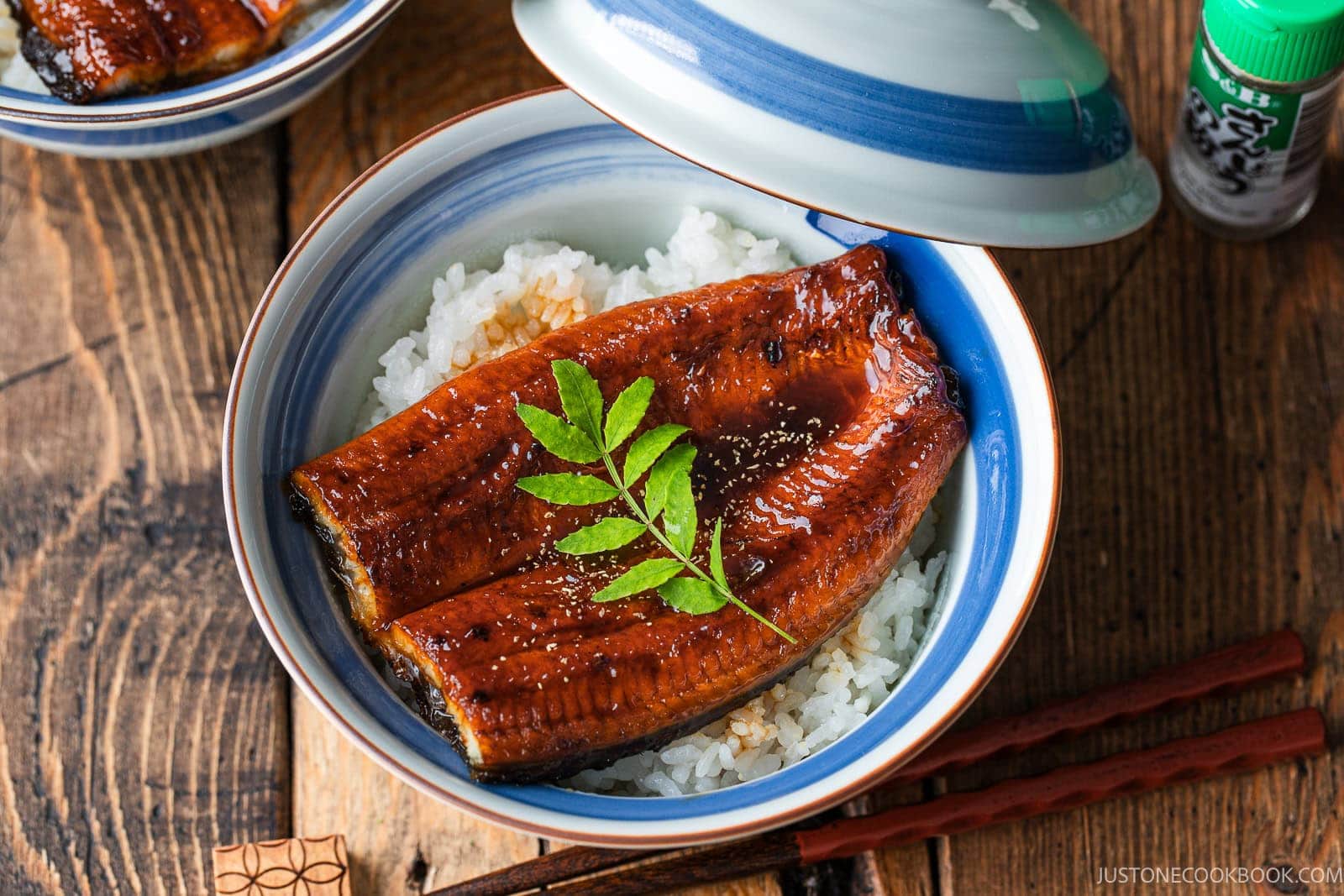
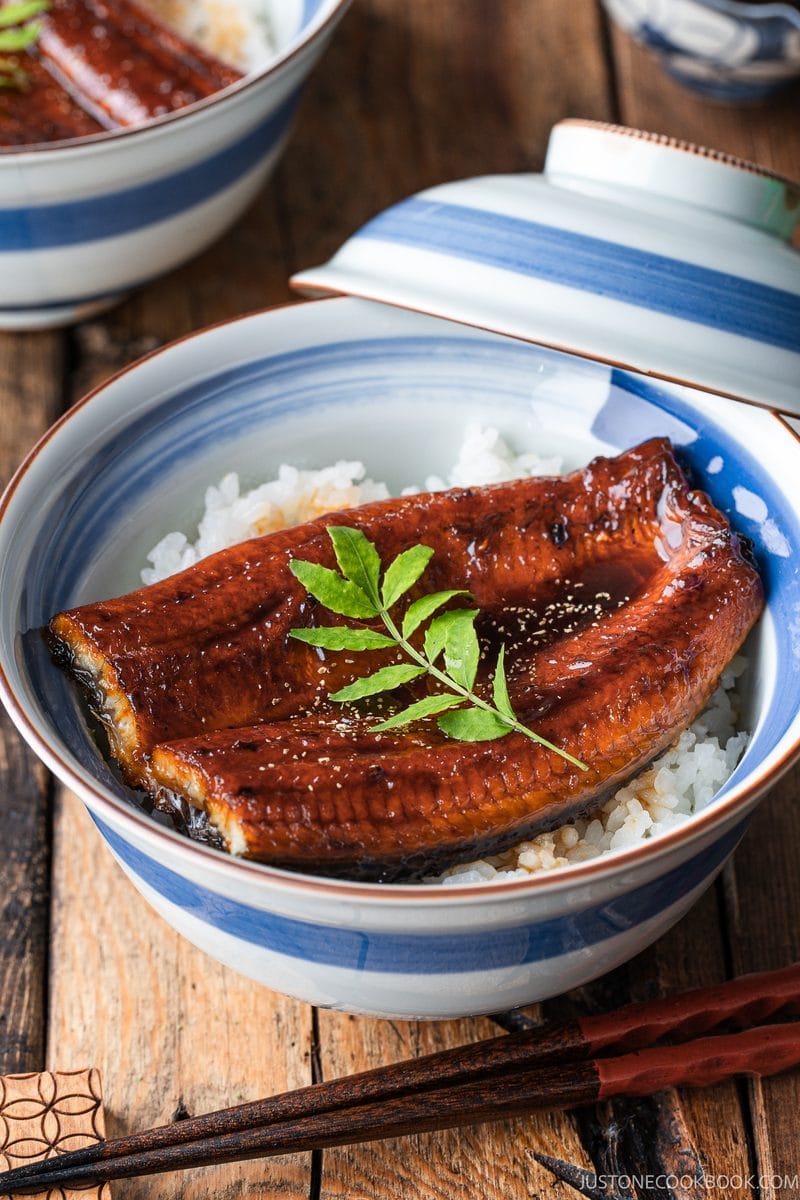
Unadon (うな丼) is a classic Japanese rice bowl topped with grilled freshwater eel (unagi) glazed with a sweet-savory soy-based unagi sauce. Often reserved for special occasions in Japan, it’s surprisingly simple to make at home. It’s also a summer favorite, eaten for “stamina” (スタミナ), or energy and endurance, to beat the heat.
Why You’ll Love It
- Restaurant-quality at home – My homemade unagi sauce uses just four ingredients and gives the eel that familiar rich, sweet-savory flavor.
- Beautiful caramelized glaze – A quick final broil after brushing on the sauce creates a glossy finish with delicious caramelized edges.
- Easy preparation – Using precooked unagi kabayaki makes this special Japanese rice bowl surprisingly simple to prepare in just 30 minutes.
What readers say
ALEX
“This was mind-blowingly delicious. The eel is just so flaky and easy to eat with chopsticks.”
My Recipe Story
I’ve always loved unagi, especially when it’s grilled until tender and brushed with a glossy, caramelized sauce. In Japan, unagi is considered a special treat rather than an everyday meal, and it’s something I always look forward to when I visit.
When making unadon at home, I love using Japanese-imported unagi from Kagoshima whenever I can find it. It’s more expensive, but the delicate texture and flavor make it worth the splurge!
Craving more unagi dishes? Don’t miss my recipes for Unagi Chazuke and Eggplant Unagi Donburi next!
Key Ingredients for Grilled Eel Rice Bowl
- Unagi kabayaki (grilled freshwater eel) fillets – Look for precooked, vacuum-sealed fillets at Japanese or Asian grocery stores or online.
- Homemade unagi sauce – A sweet-savory glaze made with soy sauce, mirin, sake, and sugar.
- Steamed rice – Freshly cooked Japanese short-grain rice is best for absorbing the flavorful sauce.
- Sansho pepper – A traditional optional seasoning that adds a refreshing, citrusy kick.
Find the printable recipe with measurements below.
Jump to RecipeWhere to Buy Unagi
In Japan, home cooks typically buy grilled freshwater eel (unagi kabayaki) rather than preparing fresh eel themselves.

I prefer Japanese-imported unagi, especially from Kagoshima. It’s more expensive, but the flesh is exceptionally tender, and the skin is soft and delicate rather than thick or chewy.
When possible, choose unagi from a supplier that identifies the eel species and country of origin.
How to Make Unadon
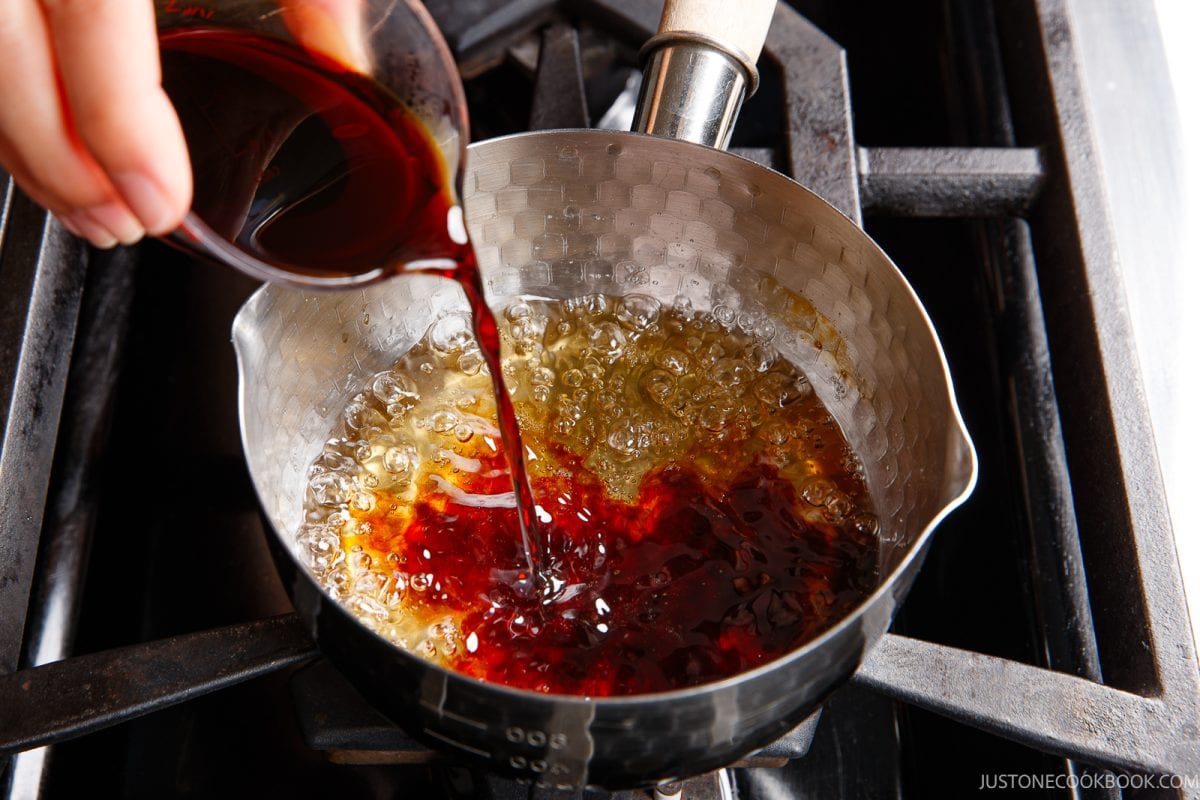
- Make the unagi sauce. Simmer mirin, sake, sugar, and soy sauce until reduced to about one-third of its original volume.
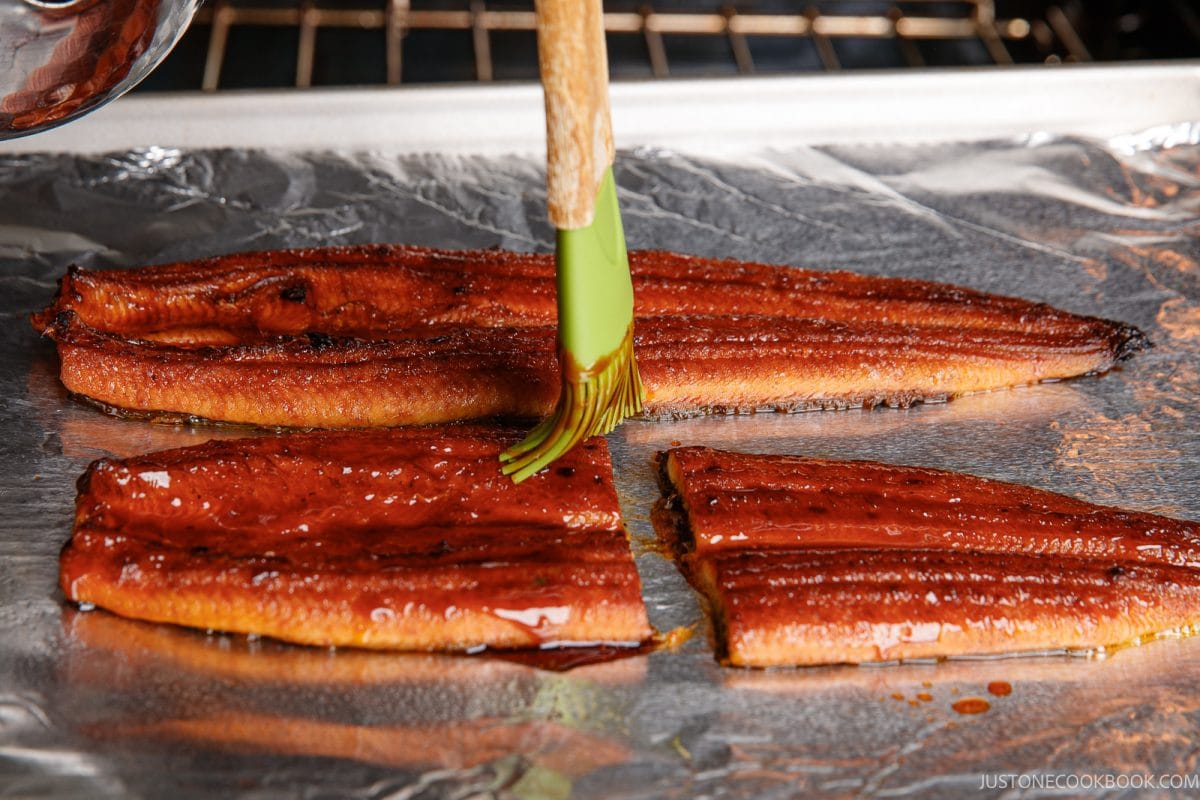
- Broil and glaze the eel. Broil the precooked unagi until lightly blistered. Brush with homemade unagi sauce and broil briefly again until the glaze bubbles.
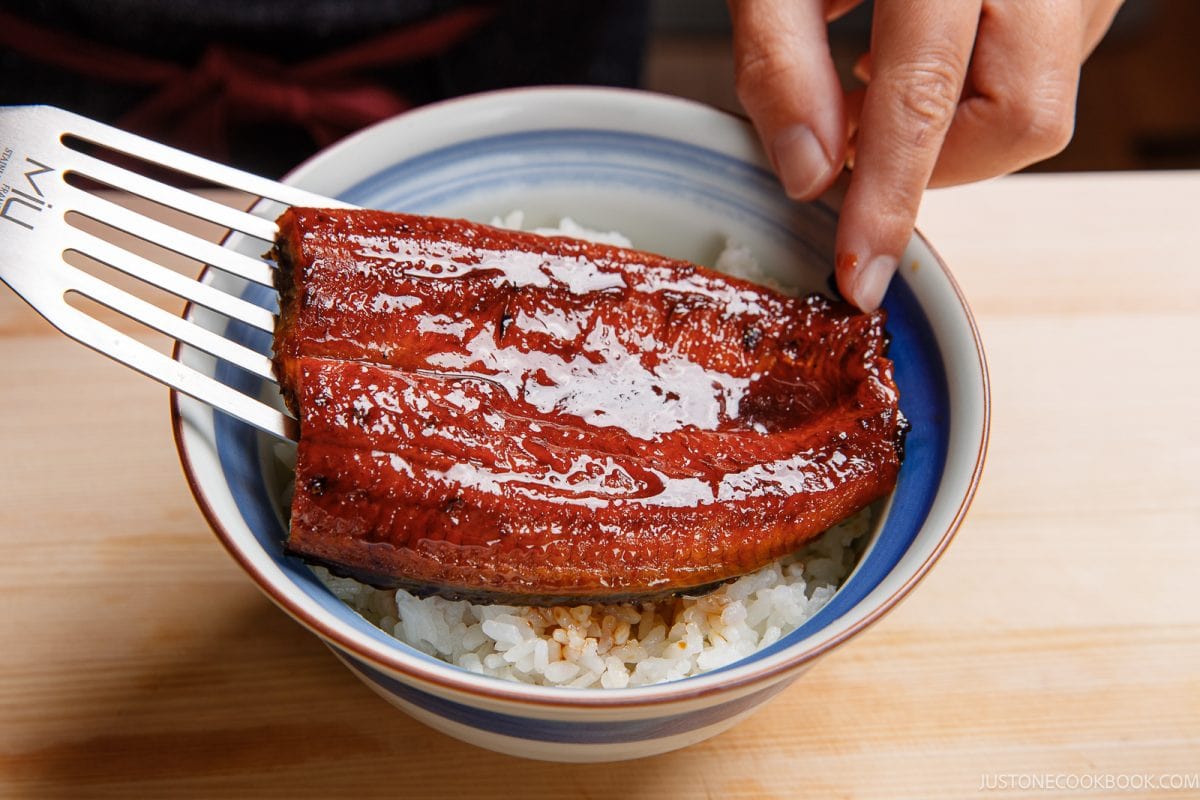
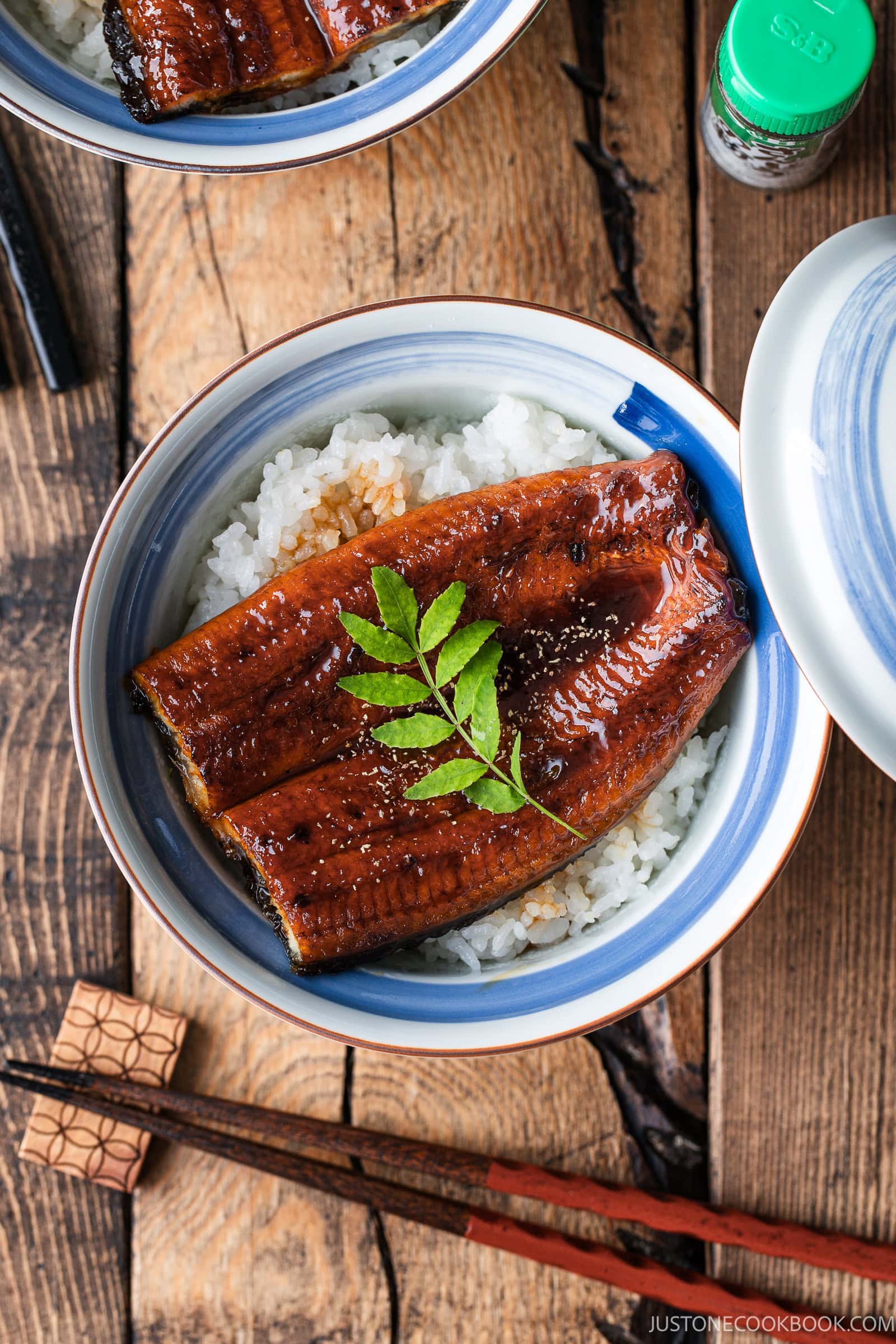
- Assemble the rice bowls. Divide the hot steamed rice among four donburi bowls. Drizzle with sauce, top each bowl with half an unagi fillet, and serve immediately.

Nami’s Recipe Tips
Here are my tips for making delicious unadon at home, from getting the sauce just right to keeping the eel tender and moist.
- Thaw the eel completely. If using frozen unagi, thaw it in the refrigerator before reheating for more even cooking.
- Reduce the sauce properly. Simmer until reduced to about one-third of its original volume. It should be glossy and pourable, not as thick as honey. Remember that it thickens further as it cools.
- Avoid overcooking. Pre-grilled unagi only needs reheating. Too much heat can dry out the delicate flesh.
- Glaze near the end. Brush with unagi sauce just before finishing, as the sugar can burn under high heat.
Storage Tips
- Refrigerate: Store leftover unagi in an airtight container for up to 3 days.
- Freeze: Freeze the unagi in an airtight container for up to 2 weeks.
- Unagi sauce: Store in a clean, airtight jar in the refrigerator for 2–3 months. For longer storage, freeze in small portions.
Homemade Unagi Sauce
You can buy bottled unagi sauce at Japanese grocery stores or online, but I prefer making my own Homemade Unagi Sauce. It gives the eel a beautiful, glossy glaze, and you can adjust the sweetness to your taste.
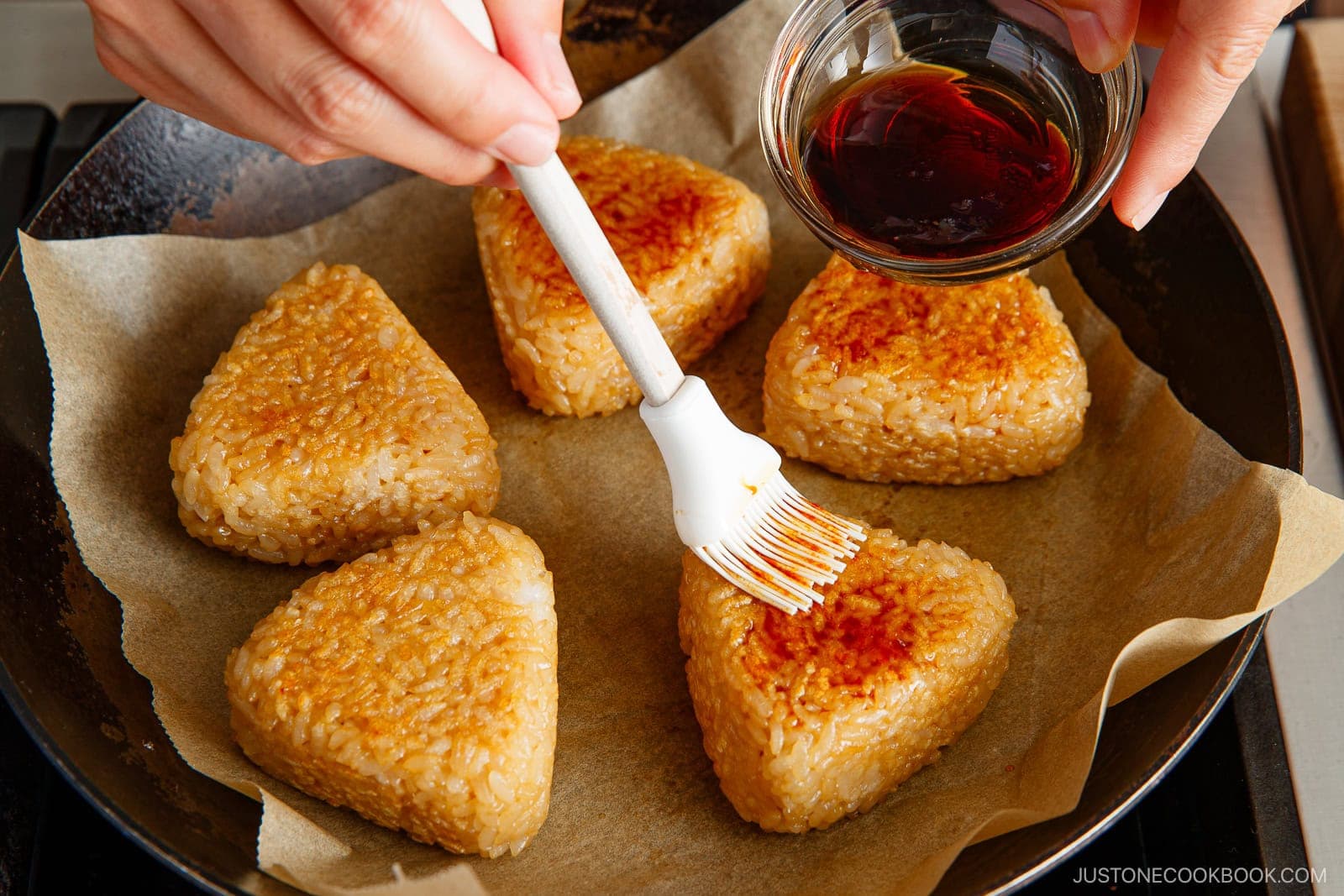
Have leftover sauce? Try brushing it on Yaki Onigiri for an extra layer of sweet-savory flavor!

How is Unagi Traditionally Prepared?
In Japan, unagi is traditionally prepared using a method called kabayaki (蒲焼き). The eel is butterflied, deboned, skewered, and grilled with a sweet-savory soy-based glaze.
There are regional differences in preparation. In the Tokyo region (Kanto), the eel is first grilled without sauce, a step called shirayaki (白焼き). It’s then steamed before being glazed and grilled again, creating a particularly tender texture.
In the Kansai region (Osaka and Kyoto), the eel is grilled without steaming, resulting in a firmer texture and crispier skin.
What to Serve With Unadon
Balance the rich, sweet-savory eel with these classic Japanese side dishes:
- Homemade Miso Soup – A warm, comforting bowl of soup to round out the meal.
- Japanese Pickles (Tsukemono) – Refreshing crunch to balance the rich eel.
- Spinach with Sesame Sauce – A simple vegetable side with nutty sesame flavor.
- Kinpira Renkon – Crisp lotus root with a savory-sweet glaze.


FAQ
What’s the difference between unadon and unaju?
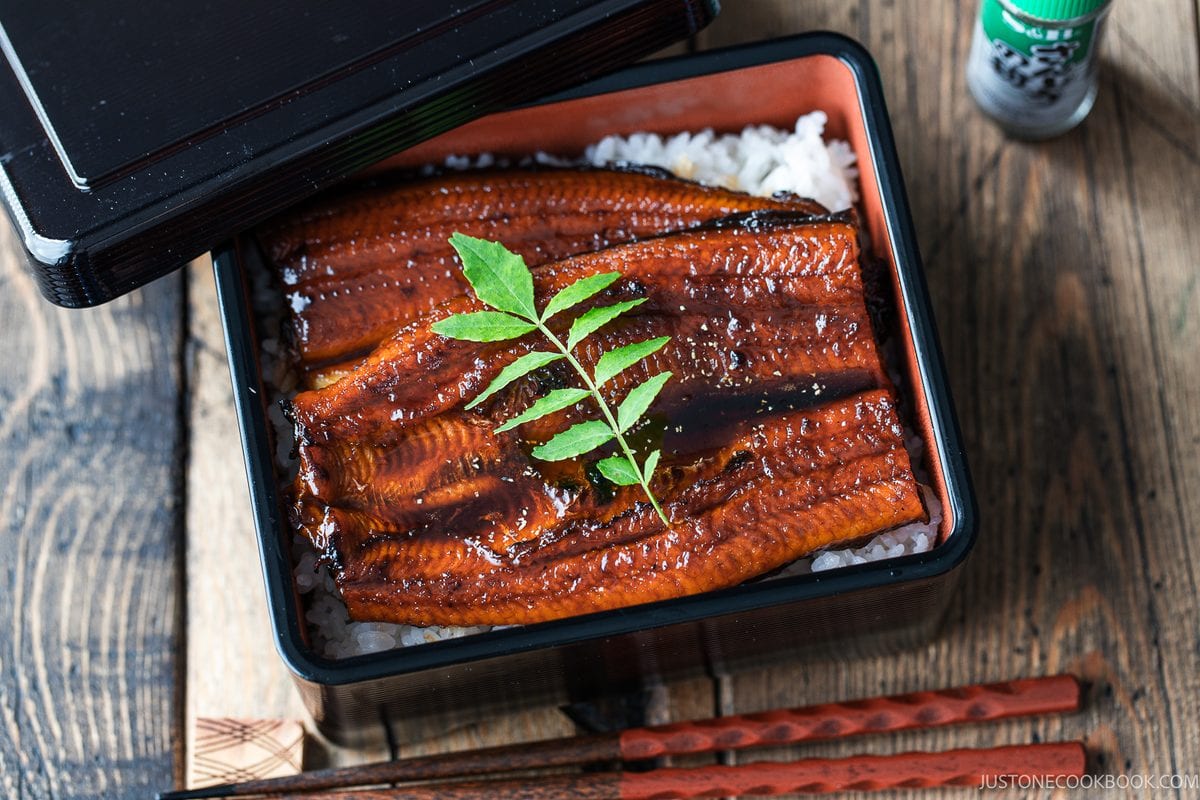
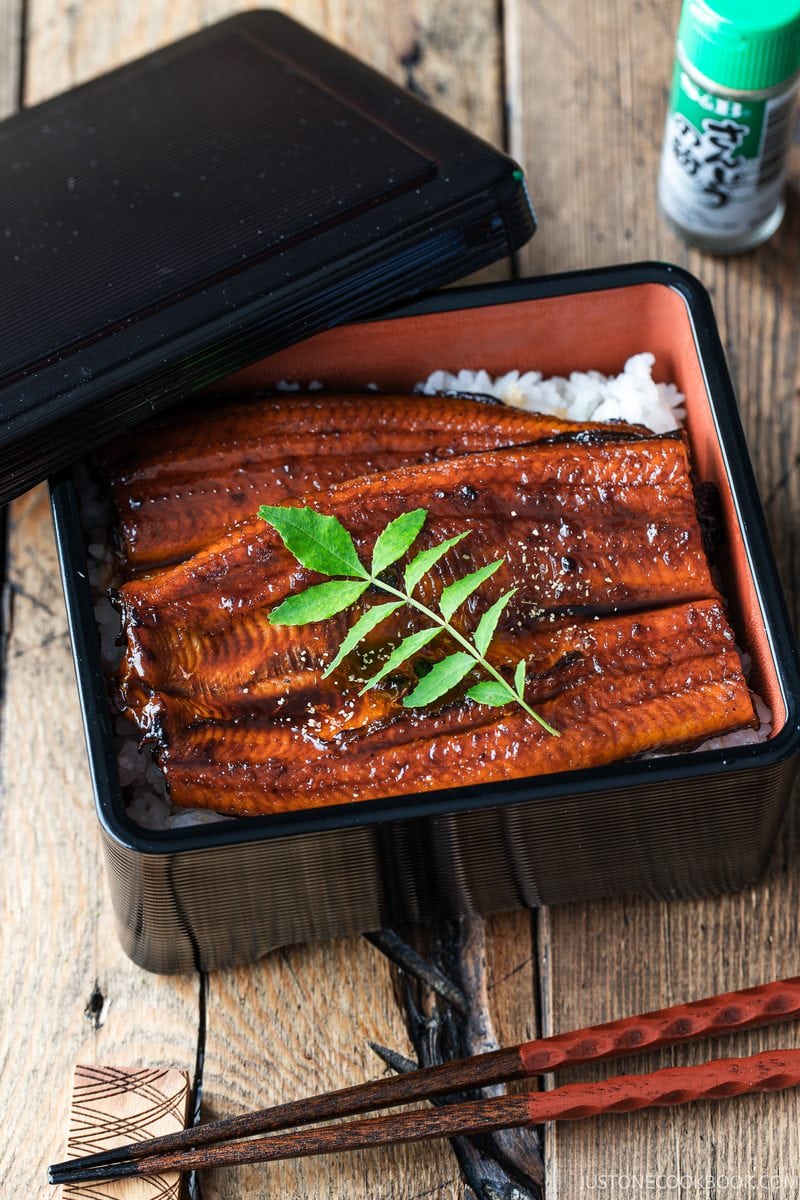
Both are Japanese rice dishes topped with grilled unagi and sweet-savory sauce. The main difference is how they’re served. Unadon comes in a donburi bowl, while unaju is served in a rectangular lacquered box called a jubako. Unaju often features a larger portion of eel.
Can I use frozen unagi for unadon?
Yes! Most Japanese grocery stores sell precooked, vacuum-sealed unagi kabayaki in the frozen section. Thaw it completely in the refrigerator before reheating. I recommend broiling it for a lightly caramelized finish, then brushing it with homemade unagi sauce.
What is the difference between unagi sauce and eel sauce?
They’re the same sauce! Unagi sauce, also called eel sauce or kabayaki sauce, is a sweet-savory Japanese glaze made with soy sauce, mirin, sake, and sugar. Despite the name, it doesn’t contain eel. It’s also delicious on grilled rice balls and other dishes.
Making delicious unadon at home requires minimal effort, but the results are truly rewarding!
I’d love to hear how yours turned out! 💛 Please leave a star rating and comment below to share your experience. Your feedback not only supports Just One Cookbook but also helps other home cooks discover recipes they can trust.
Unadon (Unagi Don)

Ingredients
- 2 unagi kabayaki (grilled freshwater eel) fillets (about 5.6 oz / 160 g each; thawed)
- cooking spray (or neutral oil, for broiling)
For the Unagi Sauce
For Serving
- 4 servings cooked Japanese short-grain rice (1⅔ cups or 250 g per serving; about 3 rice cooker cups uncooked)
- Japanese sansho pepper (optional)
Instructions
- Gather all the ingredients. Nami's Tip: I recommend doubling or tripling the unagi sauce. It keeps in the refrigerator for up to 3 months and is delicious on Yaki Onigiri.

To Make the Unagi Sauce
- In a small saucepan, combine ¼ cup mirin, 1½ Tbsp sake, and 2½ Tbsp sugar.

- Heat over medium heat, whisking to dissolve the sugar. Add ¼ cup soy sauce and bring to a boil.

- Reduce the heat to a gentle simmer. Cook for 10–15 minutes, until the sauce reduces to about one-third of its original volume.Nami's Tip: Dip a wooden chopstick into the sauce before simmering to mark the starting level. Use it to check how much the sauce has reduced.

- Remove from the heat when the bubbles become larger and the sauce starts to thicken. It will thicken further as it cools. The sauce should be glossy and pourable, not as thick as honey.Nami's Tip: If the sauce is too thick, stir in a little water. If it's still thin after 15 minutes, continue simmering. Low heat, a narrow saucepan, or a larger batch may require more time to reduce.

To Cut the Unagi
- Cut 2 unagi kabayaki (grilled freshwater eel) fillets into halves or thirds to fit your serving bowls.

To Reheat Under the Broiler (Recommended)
- I recommend broiling for the best caramelized finish. For alternative methods, see below.Preheat the broiler on High for 5 minutes. Position the oven rack about 8 inches (20 cm) below the heating element. If using Medium, position the rack about 6 inches (15 cm) below the element.
- Line a baking sheet with foil and lightly grease it with cooking spray or neutral oil. Place the unagi skin-side down and broil for 5–7 minutes, until the surface is hot and lightly blistered. Do not flip. Watch closely, as broiler intensity varies by oven.

- Brush the unagi with sauce and broil for another 30–60 seconds, until the glaze bubbles.

To Reheat in the Oven (Alternative Method)
- Preheat the oven to 425°F (218°C) with a rack in the center. Line a baking sheet with parchment paper and place the unagi on top, skin side down. Bake for 10–12 minutes, until lightly blistered. Do not flip.Brush with unagi sauce and bake for another 30–60 seconds, until the glaze bubbles.
To Reheat in a Pan (Alternative Method)
- Prepare two 16-inch (40-cm) square sheets of foil and lightly grease the centers. Divide the unagi pieces between them. Fold and seal the foil around the unagi to make two pouches.Place the pouches in a frying pan and heat over low heat for 5–8 minutes, until warmed through.Nami's Tip: This gentle method keeps the eel moist but won't create a blistered or charred surface.
To Serve
- For Unadon (half a fillet per serving): Divide the hot steamed rice among four donburi bowls. Drizzle or brush with unagi sauce.

- Place half an unagi fillet over each bowl of rice. Brush with more sauce and serve immediately. Garnish with Japanese sansho pepper or kinome (sansho leaves), if desired.

- For Unaju (one whole fillet per serving): Divide the hot steamed rice between two jubako (Japanese lacquered boxes). Arrange the unagi pieces slightly overlapping to cover the rice, then brush with sauce.

To Store
- Refrigerate: Store leftover unagi in an airtight container for up to 3 days.Freeze: Freeze the leftover unagi in an airtight container for up to 2 weeks.Unagi sauce: Store in a clean, airtight jar in the refrigerator for 2–3 months. For longer storage, freeze in small portions.
Notes
- High: 500–550ºF (260–288ºC)
- Medium: 450–500ºF (232–260ºC)
- Low: 400–450ºF (204–232ºC)
Nutrition
The nutrition facts shown are generated by an online calculator and are estimates only. Please consult a professional nutritionist for specific dietary needs.
Did you make this recipe?
Tag @justonecookbook on Instagram so we can see your delicious creation!
Update: The post was originally published on May 31, 2012, and updated with a revised recipe in July 2012. New photos were added on July 23, 2024. It was last updated on November 22, 2026, with more helpful cooking tips and improved step-by-step instructions.
