


This post may contain affiliate links. Please read my disclosure policy.
Recipe Highlights
Zaru Soba (Cold Soba with Dipping Sauce) is my family’s go-to meal when the summer heat and humidity soar. I grew up eating it in Yokohama, and it still feels like the most sensible thing to make on a hot afternoon—cold, satisfying, and on the table in 15 minutes. My Zaru Soba recipe shows you how to make the mentsuyu dipping sauce from scratch and how to cook and chill the noodles so they stay chewy, not sticky or mushy.
Here’s why I keep coming back to this recipe:
- Quick, refreshing summer meal — ready in 15 minutes
- Homemade soba dipping sauce delivers a richer, more layered flavor
- Make the sauce ahead; it keeps in the fridge for up to a month
If you love cold noodle dishes, try my Soba Noodle Salad, Zaru Udon (Cold Udon), and Japanese Cold Somen Noodles next!

What is Zaru Soba (Cold Soba)?
Zaru soba (ざる蕎麦) is Japan’s signature cold soba dish made with buckwheat noodles, first enjoyed during the Edo period (1603–1868). The name comes from the zaru, a bamboo strainer that holds the noodles lifted so excess water drains away. Diners dip the chilled noodles into a cup of savory tsuyu sauce—made of soy sauce, mirin, sake, and dashi—and brighten each bite with green onion and wasabi.
You may also see mori soba (もり蕎麦) on menus in Japan. The two look nearly identical—the only difference is the shredded nori. Zaru soba is topped with shredded nori, while mori soba is not. Restaurants began adding nori during the Meiji era to set zaru soba apart as a slightly more upscale option, and the distinction has stuck ever since.
Ingredients for Zaru Soba (Cold Soba)
- dried soba noodles (buckwheat noodles)
- shredded nori seaweed (kizami nori)
- green onions/scallions
- wasabi – optional
- For the dipping sauce (tsuyu) – or use bottled mentsuyu for a shortcut (see Tips)
- sake
- mirin
- soy sauce
- kombu (dried kelp)
- katsuobushi (dried bonito flakes)
- iced water (for diluting the dipping sauce)
Find the printable recipe with measurements below.
Jump to RecipeHow to Make Zaru Soba (Cold Soba with Dipping Sauce)
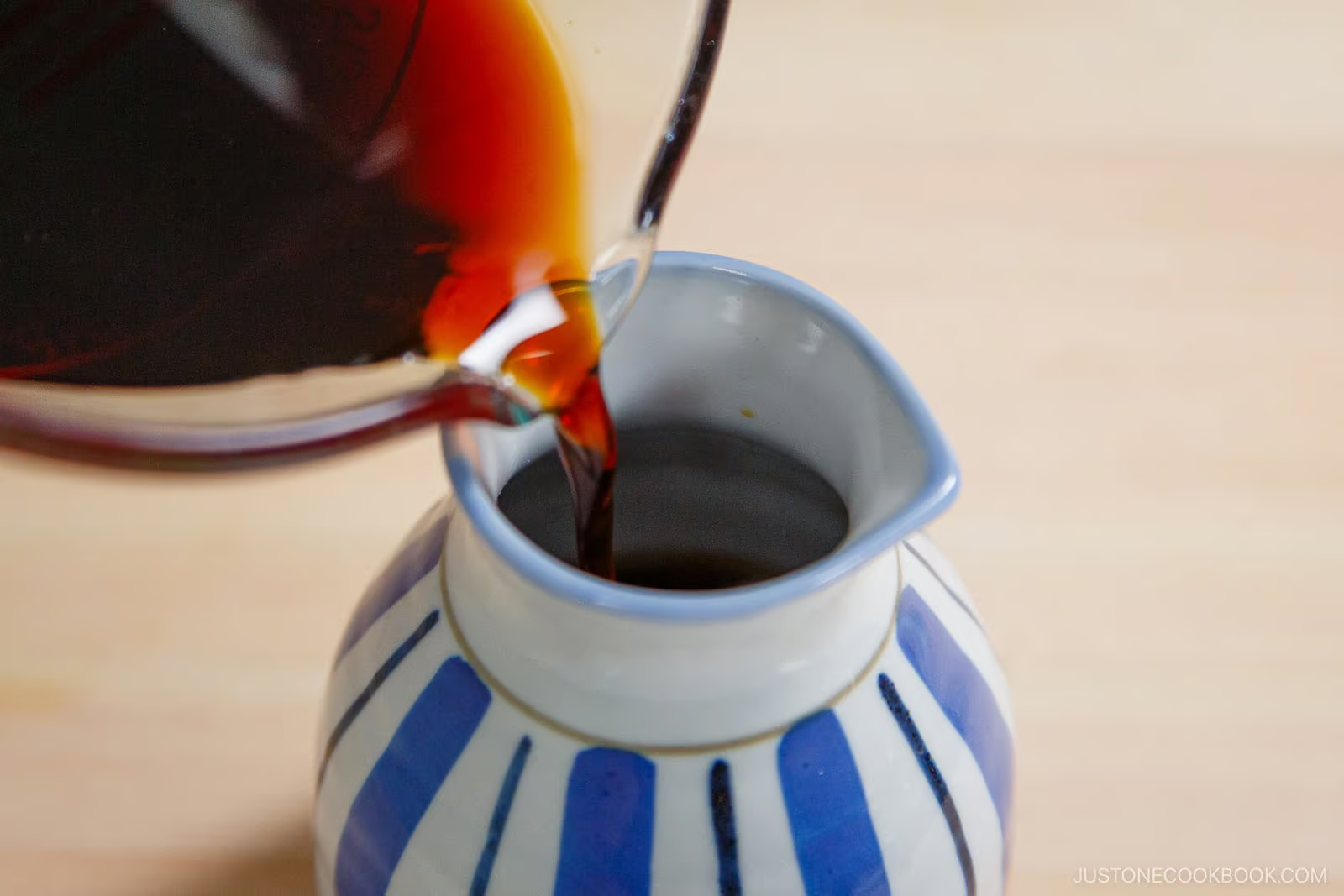
- Make the dipping sauce. Boil sake and mirin to cook off the alcohol. Add soy sauce, kombu, and katsuobushi. Simmer for 5 minutes, then let cool to room temperature. Strain into a pitcher or container.
- Boil the soba noodles. Bring a large pot of unsalted water to a boil. Fan out the noodles into the boiling water—this prevents clumping—and stir occasionally. Cook according to package directions, typically 4–5 minutes, until just tender with a slight chew. Do not overcook.
- Rinse. Drain in a colander and rinse under cold running water. Rub the noodles gently to remove excess starch.
- Chill. Transfer to a bowl of iced water for 30 seconds, then drain well.
- Plate and serve. Arrange noodles on individual bamboo mats or plates. Garnish with nori. Dilute the mentsuyu with iced water and pour into individual dipping cups. Serve green onion and wasabi on the side.


Nami’s Recipe Tips
Read these tips before you cook—they make all the difference!
- Use a big pot of water – Soba releases starch fast. A large pot keeps the water temperature stable and prevents noodles from clumping.
- Boil and stir carefully – Fan out the noodles as they hit the water so each strand cooks evenly. If it threatens to boil over, lower the heat. Never add cold water, as it drops the temperature and prevents even cooking.
- Rinse well – Cold running water removes excess starch that makes noodles slimy. Rub them gently until the water runs clear.
- Shock for 30 seconds – An ice bath firms the texture and gives you that satisfying, chewy bite. Drain well before serving. Don’t skip this step.


- Make extra dipping sauce – The homemade concentrated sauce keeps in the refrigerator for up to a month (before diluting with water)—perfect for a spontaneous weeknight noodle dinner! Short on time? Japanese households keep bottled mentsuyu on hand as a shortcut. Just dilute with cold water, and you have a dipping sauce in minutes.

- Add condiments gradually – Add green onion and wasabi little by little as you eat, rather than mixing everything into the dipping sauce at once. It keeps each bite balanced and the sauce clean.
- Save the sobayu – Pour the starchy cooking water into your leftover dipping sauce after the meal and drink it like a warm broth. It’s a traditional way to finish zaru soba.

Variations
Here are a few ways to make this dish your own.
- Change up the condiments. Add grated daikon, toasted sesame seeds, or grated ginger to your dipping cup for extra depth.
- Try a different soba blend. Ju-wari soba (十割そば) is 100% buckwheat—earthy and crumbly with a strong aroma. Hachi-wari soba (八割そば) blends 80% buckwheat with 20% wheat for a smoother, springier texture.
- Go gluten-free. Use 100% buckwheat (ju-wari) soba and tamari in place of regular soy sauce.
- Try a different soba flavor. Cha soba (茶そば) has a pale green, mildly earthy flavor from matcha powder. Ume soba (梅そば) has a soft pink tint and a subtle, fruity flavor from Japanese ume plum.
- Make Oroshi Soba. Serve the chilled noodles in a bowl with dashi-based sauce and top with grated daikon, dried bonito flakes, and tempura scraps.
What to Serve with Zaru Soba (Cold Soba)
Turn Zaru Soba into a full summer spread with these Japanese dishes.
- Vegetable Tempura or Shrimp Tempura – Add crispy tempura to make tenzaru (天ざる), the classic summer pairing served at soba restaurants across Japan.
- Tofu Salad with Sesame Ponzu Dressing – Leafy greens, corn, and wakame seaweed in a bright, tangy dressing add a refreshing contrast.
- Simmered Shiitake Mushrooms (Fukumeni) – Umami-rich and gently sweet, a savory contrast to the cold noodles.
- Namasu (Daikon and Carrot Salad) – Crisp, lightly pickled vegetables offer a refreshing counterpoint to the savory dipping sauce.


Storage Tips
To store: Keep leftover homemade mentsuyu in an airtight container in the refrigerator for up to a month. Cook the soba noodles just before serving. They clump together and lose their texture as they sit.
FAQ
What is the difference between soba and zaru soba?
Soba refers to buckwheat noodles and all the dishes made with them—including soba noodles in hot soups and soba noodle salads. Zaru soba is one specific preparation: cold soba noodles served traditionally on a bamboo mat with dipping sauce. Follow my recipe in this post, and you’ll have it on the table in 15 minutes.
Can I use store-bought mentsuyu for the soba dipping sauce?
Yes. Bottled mentsuyu from a Japanese or Asian grocery store works. Dilute it according to the package directions—the ratio may differ slightly between brands and the homemade version. That said, making the sauce from scratch takes only 15 minutes, and the flavor is noticeably richer.
What is sobayu and how do I use it?
Sobayu (蕎麦湯) is the starchy water left in the pot after boiling soba noodles. Buckwheat is a good source of fiber, protein, and nutrients, and some of that goodness carries over into the cooking water. At the end of the meal, pour hot sobayu into your leftover dipping sauce and drink it as a light broth—a tradition at soba restaurants across Japan.
Readers’ Zaru Soba
Zaru Soba was the JOC Cooking Challenge for June 2026. Check out the delicious dishes created by JOC readers!
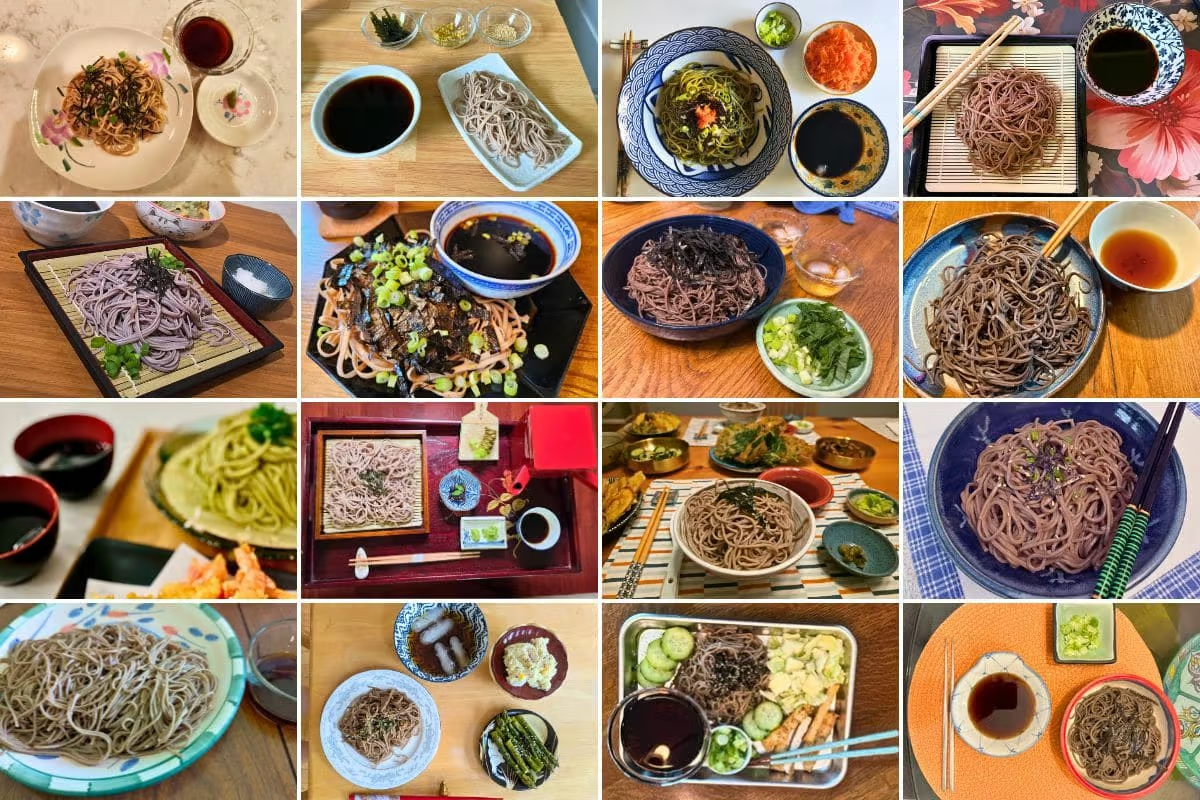
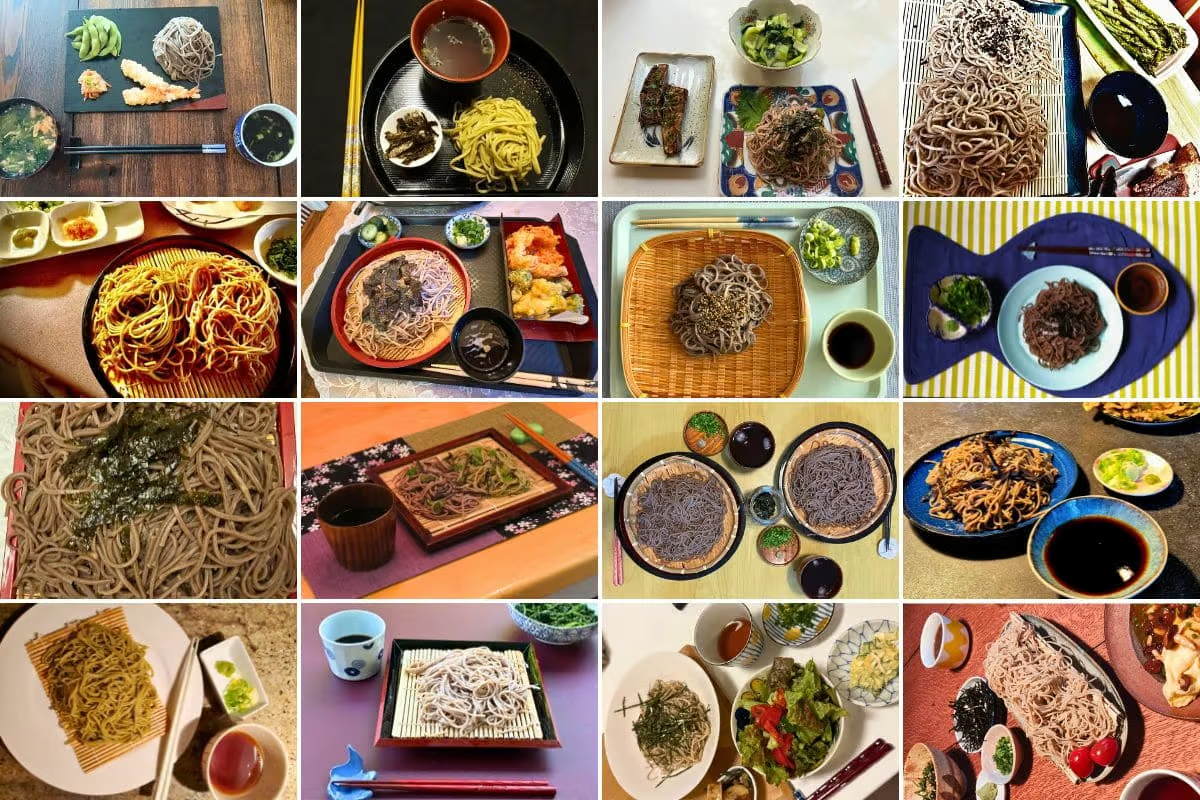
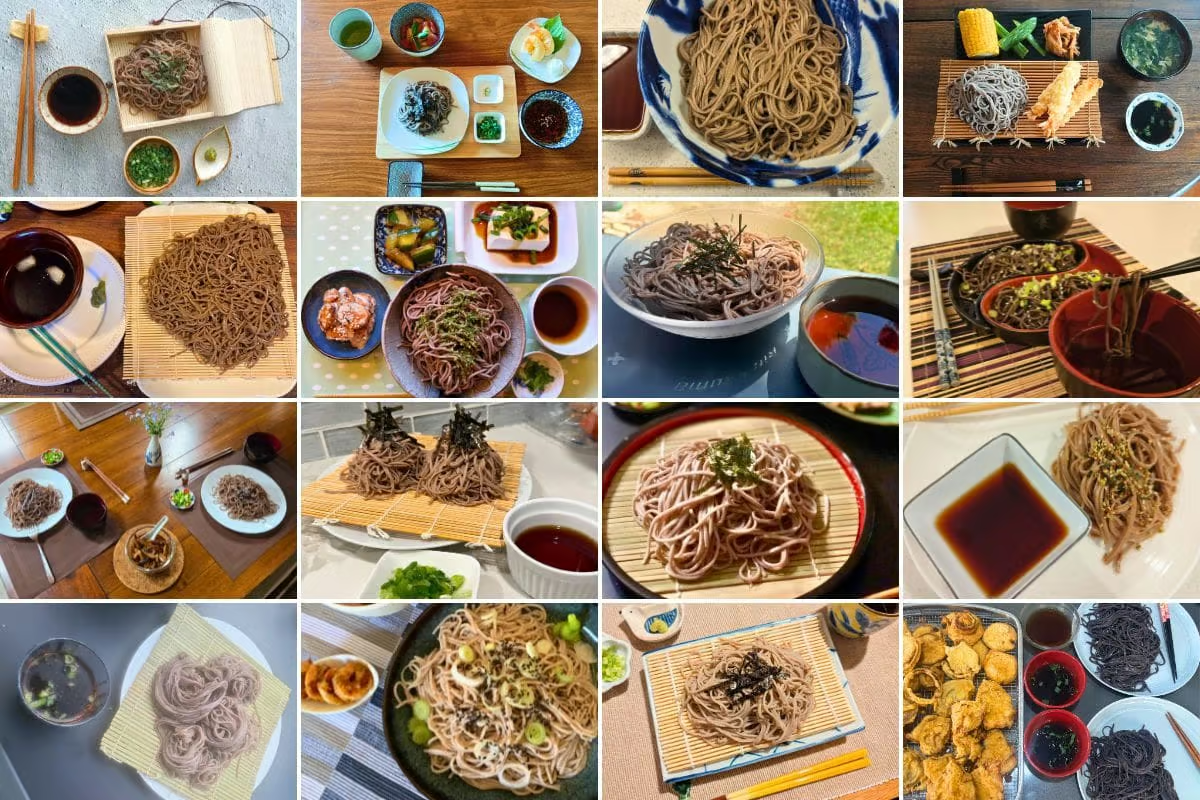
I’d love to hear how yours turned out! 💛 Please leave a star rating and comment below to share your experience. Your feedback not only supports Just One Cookbook but also helps other home cooks discover recipes they can trust.
Zaru Soba (Cold Soba with Dipping Sauce)

Ingredients
- 14 oz dried soba noodles (buckwheat noodles) (3.5 oz, 100 g per serving)
- 6 Tbsp mentsuyu (concentrated noodle soup base) (see homemade recipe below or use bottled mentsuyu)
- 1⅛ cups iced water (for the dipping sauce)
For the Dipping Sauce (Concentrated)
- 1 piece kombu (dried kelp) (1 x 1 inch, 2.5 x 2.5 cm per piece)
- ½–1 cup katsuobushi (dried bonito flakes) (packed; for a more intense flavor, use the larger amount)
- ¼ cup sake
- ½ cup mirin (plus 1 Tbsp, to taste)
- ½ cup soy sauce
For the Classic Condiments
- shredded nori seaweed
- 2 green onions/scallions
- wasabi
Instructions
Before You Start
- Gather all the ingredients. I make the homemade dipping sauce ahead and keep it in the fridge until ready to use—it's a big time-saver. Short on time? Use store-bought mentsuyu from a Japanese or Asian grocery store.

To Make the Homemade Dipping Sauce
- Add ¼ cup sake and ½ cup mirin to a medium saucepan. Bring to a boil over medium-high heat and cook until the alcohol smell dissipates, about several seconds. Add ½ cup soy sauce.Nami's Tip: I add an extra 1 Tbsp mirin for a slightly sweeter sauce. Feel free to adjust to your taste.

- Add 1 piece kombu (dried kelp) and ½–1 cup katsuobushi (dried bonito flakes). Nami's Tip: Use the maximum amount of katsuobushi for a more intense bonito flavor.

- Bring it to a boil, then reduce the heat and simmer for 5 minutes. Turn off the heat and let it steep until fully cooled to room temperature. Strain the dipping sauce and set aside. This dipping sauce is concentrated and needs to be diluted.Nami's Tip: Make it ahead and store in an airtight container in the refrigerator for up to a month. Don't discard the spent kombu and katsuobushi—repurpose them to make Furikake (Japanese Rice Seasoning).

To Boil the Soba Noodles
- Bring a large pot of water to a boil (do not add salt). Add 14 oz dried soba noodles (buckwheat noodles), fanning them out to keep the strands separated. Stir occasionally to prevent sticking. Cook according to the package instructions—do not overcook.Nami's Tip: Before draining, reserve 1–1½ cups of the cooking water (sobayu) to enjoy at the end of the meal.

- Drain the noodles in a sieve and rinse under cold running water, rubbing gently with your hands to remove excess starch.Nami's Tip: Don't skip this step—without rinsing, the noodles will clump together and turn slimy.

- Shake the sieve to drain well. Transfer the noodles to a large bowl of iced water. Chill the noodles for 30 seconds. Drain well and set aside.

To Serve
- Place bamboo sieves or mats over individual plates to catch the draining water. Add one serving of soba noodles to each mat and garnish with shredded nori seaweed.

- Combine 6 Tbsp mentsuyu (concentrated noodle soup base) and 1⅛ cups iced water in a measuring cup. Check the taste—add more water if it's too salty, and add more dipping sauce if it's too dilute. Divide into individual cups.

- Chop 2 green onions/scallions and divide among small plates. Add a dab of wasabi (optional). Serve alongside the noodles and dipping sauce. Nami's Tip: When you’re done eating, pour the hot soba cooking water (sobayu) into the leftover dipping sauce and enjoy as a light broth.

To Store
- Keep any leftover homemade dipping sauce in a clean, airtight container in the refrigerator for up to a month. Cook the soba noodles just before serving—they clump and lose their texture as they sit.
Notes
- Change up the condiments. Add grated daikon, toasted sesame seeds, or grated ginger to your dipping cup for extra depth.
- Try a different soba blend. Ju-wari soba (十割そば) is 100% buckwheat—earthy and crumbly with a strong aroma. Hachi-wari soba (八割そば) blends 80% buckwheat with 20% wheat for a smoother, springier texture.
- Go gluten-free. Use 100% buckwheat (ju-wari) soba and tamari in place of regular soy sauce.
- Try a different flavor soba. Cha soba (茶そば) has a pale green, mildly earthy flavor from matcha powder. Ume soba (梅そば) has a soft pink tint and a subtle, fruity flavor from Japanese ume plum.
- Make Oroshi Soba. Serve the chilled noodles in a bowl with dashi-based sauce and top with grated daikon, dried bonito flakes, and tempura scraps.
Nutrition
The nutrition facts shown are generated by an online calculator and are estimates only. Please consult a professional nutritionist for specific dietary needs.
Did you make this recipe?
Tag @justonecookbook on Instagram so we can see your delicious creation!
Editor’s Note: This post was originally published in August 2011, updated with new images and video in July 2016, and revised with additional content on May 30, 2026.